

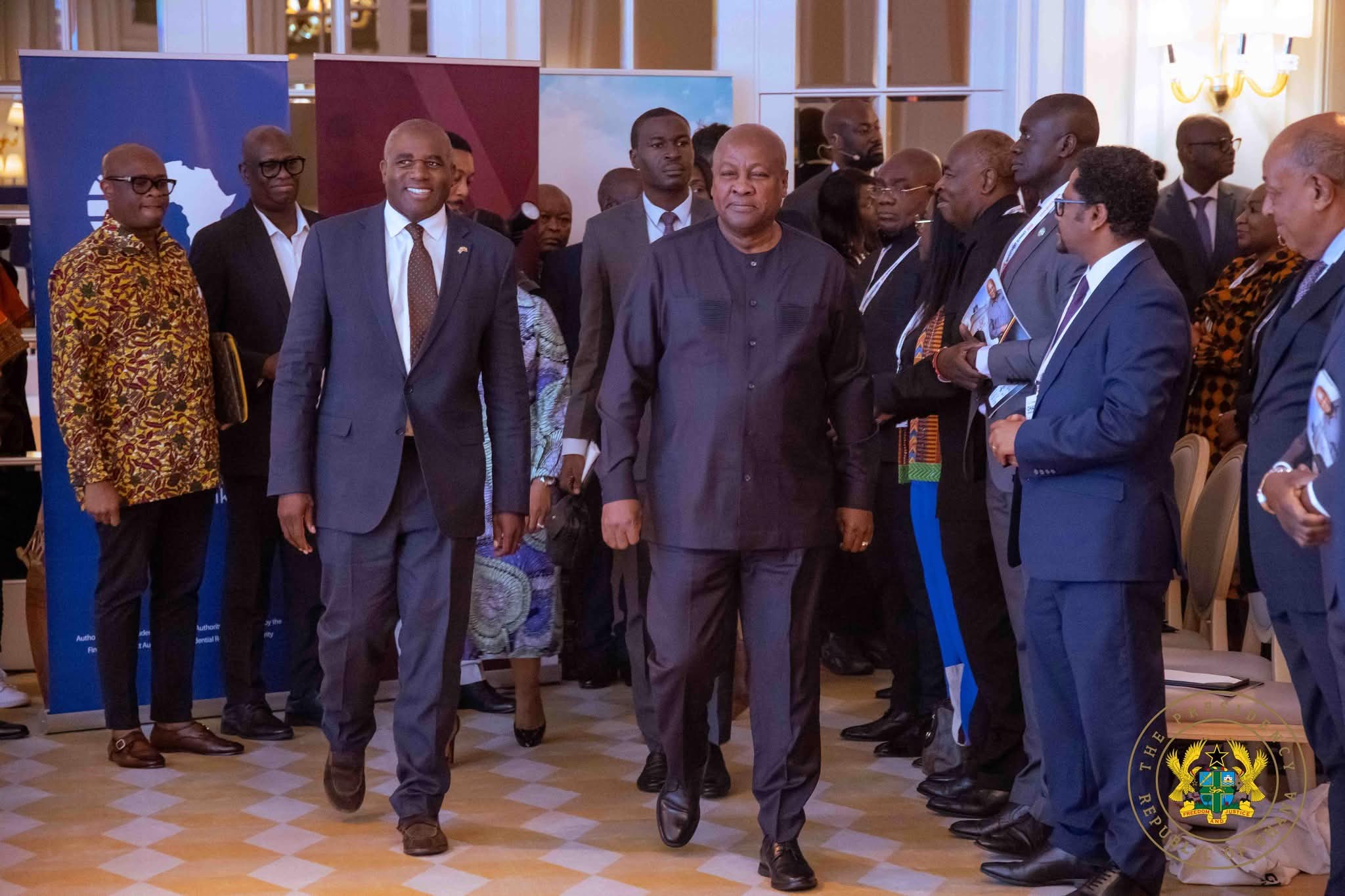
The opening day of the Ghana–UK Investment Summit 2026 in London has delivered a major boost to Ghana’s economic transformation agenda, with both countries signing a historic Growth Partnership agreement.
The deal was signed on behalf of Ghana by High Commissioner to the United Kingdom and Ireland, H.E. Sabah Zita Benson, while British High Commissioner to Ghana, H.E. Christian Rogg, signed for the UK government. The ceremony was witnessed by President John Dramani Mahama and UK Deputy Prime Minister Rt. Hon. David Lammy.

The agreement establishes a framework for deeper cooperation between Ghana and the United Kingdom from 2026 to 2028, with a focus on trade, investment, infrastructure, skills development, technology, climate resilience and sustainable job creation.
Backed by investments of up to £215 million, the partnership is expected to support a range of transformational projects, including the Takoradi Floating Dock Project, climate-resilient infrastructure, reforestation efforts, artificial intelligence innovation, healthcare capacity building and expanded educational opportunities for young Ghanaians.
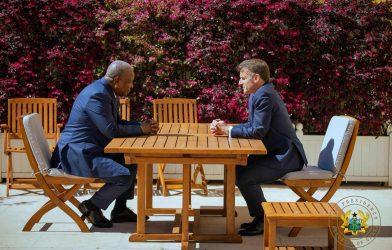
Addressing investors and business leaders at the summit, President Mahama outlined Ghana’s economic recovery and long-term growth strategy, saying his administration had made progress through prudent economic management and targeted reforms.
He said the government remains committed to building a productive, export-driven and industrialised economy through flagship initiatives such as the 24-Hour Economy Policy, the Feed Ghana Programme, the Big Push infrastructure drive and a National Artificial Intelligence Strategy.
President Mahama also highlighted major investments in energy and connectivity, including a $2 billion upstream gas agreement with Tullow and its partners, as well as plans to establish a new national airline to strengthen trade, tourism and exports.
“Our greatest competitive advantage is our people,” he said, pointing to Ghana’s youthful population, entrepreneurial drive and democratic stability as key foundations for sustainable growth and shared prosperity.
By Blessed EDUAMOAH DADZIE