

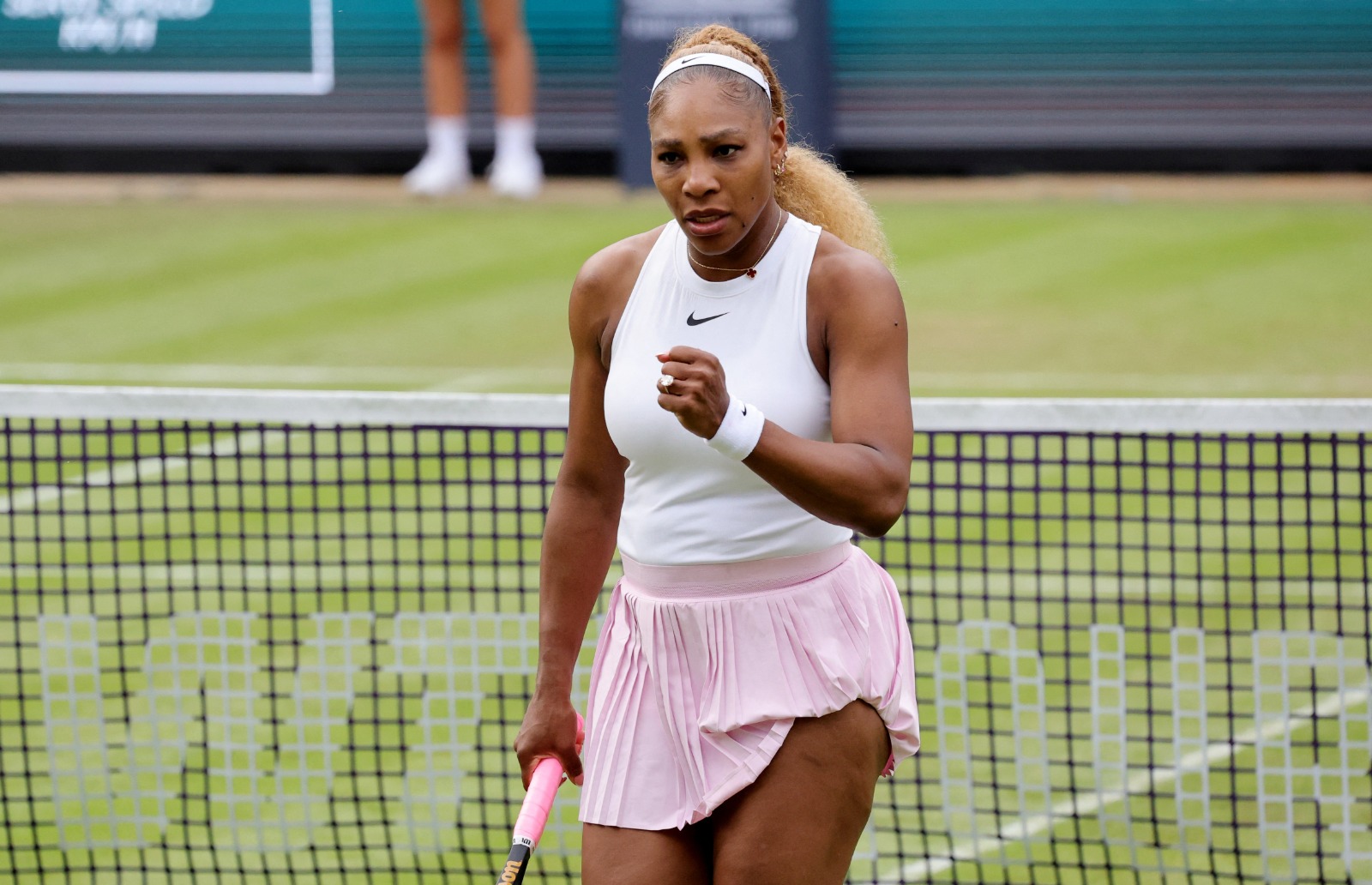
Tennis icon Serena Williams is poised to make a remarkable return to the Grand Slam stage after being awarded the final women’s singles wild card for Wimbledon, reigniting excitement across the global sporting community.
At 44, Williams, widely regarded as one of the greatest athletes in tennis history will compete in both singles and doubles at the All England Club, marking her first singles appearance at Wimbledon since 2022. The announcement signals a dramatic comeback four years after she stepped away from professional tennis, a decision she described at the time as an “evolution” away from the sport.

The seven-time Wimbledon champion’s return adds a compelling narrative to this year’s tournament, blending nostalgia with anticipation. For many fans, Serena’s presence on the grass courts is more than just a competitive entry, it is a symbolic moment that reconnects the sport to one of its most dominant and transformative figures.
Williams boasts an extraordinary career record, highlighted by 23 Grand Slam singles titles just one shy of Margaret Court’s all-time record. Her dominance at Wimbledon, where her powerful serve and aggressive baseline play thrived on grass, has long cemented her legacy at the tournament. From her first title in 2002 to her last in 2016, Williams has consistently delivered performances that defined eras and inspired generations.
Her last appearance at Wimbledon in 2022 ended in disappointment due to an early exit, followed by her gradual step back from the sport. Since then, Williams has focused on family life, business ventures, and advocacy work. However, her competitive spirit has never been in doubt, and speculation about a potential return has lingered among fans and analysts alike.
The decision by Wimbledon organizers to grant her a wild card reflects both her legendary status and the enduring appeal she brings to the game. Wild cards are typically reserved for players who may not meet ranking requirements but offer significant value to the tournament, whether through past achievements, marketability, or potential impact.
For the women’s draw, Williams’ inclusion introduces a wildcard in every sense of the word. While questions remain about her match fitness and readiness after years away from top-level competition, few would underestimate her ability to rise to the occasion. Throughout her career, Williams has built a reputation for defying expectations, often delivering her best performances when written off.
Her participation in doubles further adds intrigue, as it may offer a pathway to ease back into competitive rhythm while also showcasing the versatility that has defined her career.
Beyond the court, Serena Williams’ return carries broader significance for the sport. She has been a trailblazer for gender equality, racial representation, and athlete empowerment, using her platform to challenge norms and expand opportunities within and beyond tennis. Her comeback serves as a reminder of her lasting influence and the global reach of her legacy.
As Wimbledon approaches, all eyes will be on the All England Club to witness what could be one of the most captivating storylines in recent tennis history. Whether this marks a brief return or the beginning of a new chapter, Serena Williams has once again found a way to command the spotlight.
For fans around the world, including those in Ghana who have followed her journey for decades, the message is clear: Serena is back, and Wimbledon just got a lot more interesting.
BY: ADDY KENNEDY EDEM