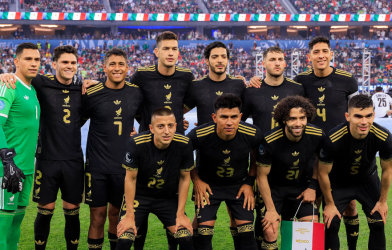


The 2026 FIFA world cup is set to break new ground in more ways than one. For the first time in history, the tournament will be jointly hosted by three countries the United States, Mexico, and Canada and will expand to include 48 teams, moving away from the traditional 32-nation format.
Beyond its expanded scale, the tournament will also usher in a series of significant rule changes designed to improve the flow of matches and enhance the overall experience for players and fans. These changes, approved by the international football association board (IFAB), will debut at the world cup and extend into domestic competitions worldwide from the 2026–27 season.
FIFA’s head of refereeing, Pierluigi Collina, explained the motivation behind the reforms, stating that the aim is to “clean the game as much as possible.”
One of the most notable changes targets player conduct during confrontations. Players who deliberately cover their mouths while speaking during disputes will now face dismissal. The rule follows recent controversies, including an incident involving Real Madrid forward Vinícius Júnior and Benfica’s Gianluca Prestianni, where communication was obscured during an alleged slur. However, Collina clarified that players may still cover their mouths during normal, non-confrontational conversations.

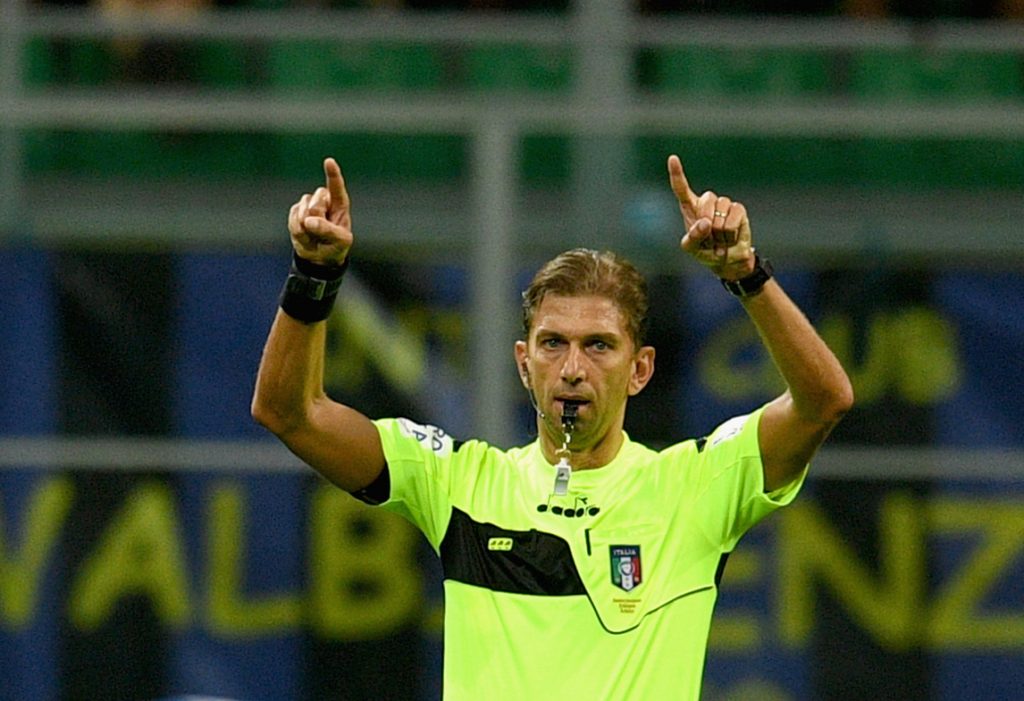
Time management will also come under stricter control. Referees will enforce a five-second limit for throw-ins and goal kicks, using a visible countdown. Failure to restart play within this time will result in possession being handed to the opposing team either through a throw-in or a corner kick. Goalkeepers are already subject to an eight-second limit to release the ball during open play.
Substitutions will be more tightly regulated as well. Players being replaced must leave the pitch within 10 seconds via the nearest touchline. Failure to comply will see their team temporarily reduced to 10 men until a stoppage allows the substitute to enter. Exceptions will only be made in cases of injury or security concerns.
Medical protocols are also being adjusted. Outfield players who receive treatment on the pitch must remain off the field for at least one minute after play resumes, except in specific situations such as serious injuries, goalkeeper incidents, or penalty scenarios. Teams will also be barred from using injury stoppages particularly involving goalkeepers as opportunities for tactical discussions.

In a move that blends player welfare with commercial interests, every match will include a mandatory hydration break around the 23rd minute of each half. These three-minute intervals are expected to double as tactical windows for coaches and additional advertising opportunities for broadcasters.
The role of the video assistant referee (VAR) is also expanding. VAR will now be able to intervene in cases of clearly incorrect second yellow cards, mistaken identity in bookings, and wrongly awarded corner kicks provided the correction can be made quickly without disrupting the flow of the game.
Finally, FIFA is taking a firm stance on player protests. Any player who leaves the pitch in protest of a decision will be sent off, while team officials who encourage such actions may also face red cards. If a team abandons a match, it will automatically forfeit.
With these changes, FIFA is signaling a clear intent to modernize the game, reduce time-wasting, and reinforce discipline on the global stage as football enters a new era.
By Addy Kennedy Edem